The Great AI Replacement – Humans Are Still Marketing & Design MVPs
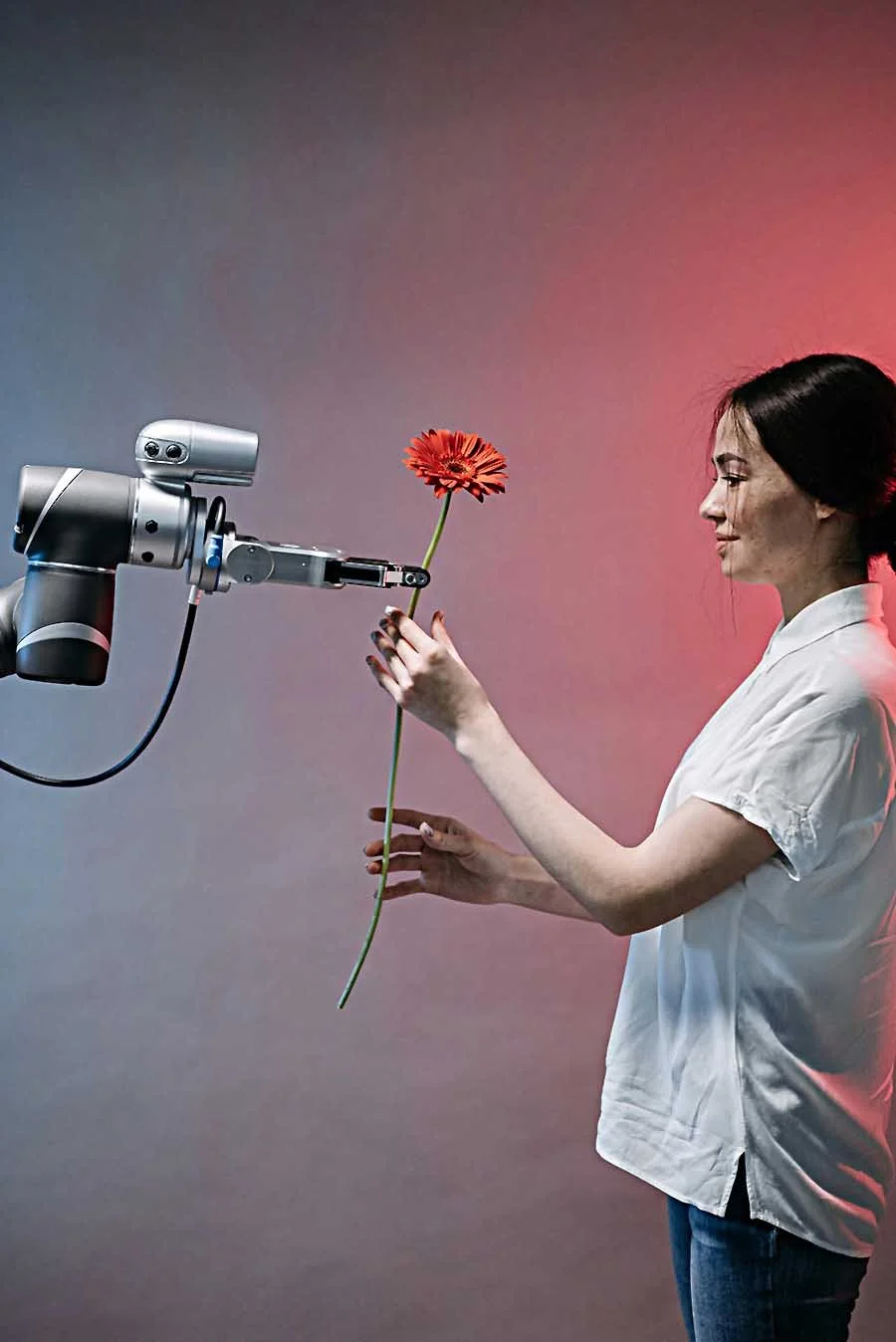
Heard the buzz? AI is everywhere. From writing emails to generating images, it feels like the robots can do all our marketing now. And if you're a small business owner navigating the world of marketing, it's easy to wonder, "Do I even need to hire someone?”
Well yeah – ya do because while AI is a fantastic tool, it's not magic or about to replace talented people. Think of AI as a super-powered sidekick, not a replacement superhero.
Tasks Where AI Excels
Repetitive and Predictable: Think data analysis, scheduling, generating basic content drafts, or resizing 100 images in a blink. It's speedy, tireless, and doesn't complain…yet.
Pattern Recognition: AI can sift through mountains of data to find trends and make predictions faster than any human.
Why Are Humans Irreplaceable?
The "Ah-Ha!" Moment: True Creativity & Originality – AI can remix existing ideas and create variations, but it struggles with genuine, out-of-the-box thinking. It doesn't have a gut feeling or the ability to envision something completely unprecedented. Remember Apple's "Crush!" iPad Pro ad (2024)? It showed a hydraulic press destroying creative tools. While perhaps a unique way to show consolidation, it completely misfired on an emotional level, leading to widespread backlash. An AI wouldn't perceive the potential emotions one might feel from crushing a violin. That's because humans have imagination, intuition, and the ability to connect seemingly unrelated concepts in truly novel ways.
Reading the Room: Emotional Intelligence & Empathy – AI doesn't understand nuanced emotions, cultural sensitivities, or the subtle context. It can't truly empathize with your customers' pain points or desires beyond what's explicitly stated in data. Think of Pepsi's Kendall Jenner ad (2017), which seemingly trivialized social protests. No amount of data could teach an AI the perceived nature of that imagery in a real-world cultural context. It takes human empathy.
The Grand Strategy: Complex Problem Solving & Critical Thinking – AI can give you facts, but it doesn't understand the why behind your business. It cannot strategize your entire marketing funnel, negotiate tricky client situations, or make ethical judgments. It also can't fact-check with human skepticism. Also, AI can hallucinate information with surprising confidence.
The Human Touch: Building Relationships & Trust – People buy from people they know, like, and trust. Customers need to feel their vision is truly understood. AI can't build rapport, offer a comforting word, inspire confidence, or understand unspoken needs. These are the soft skills that drive long-term success and client loyalty.
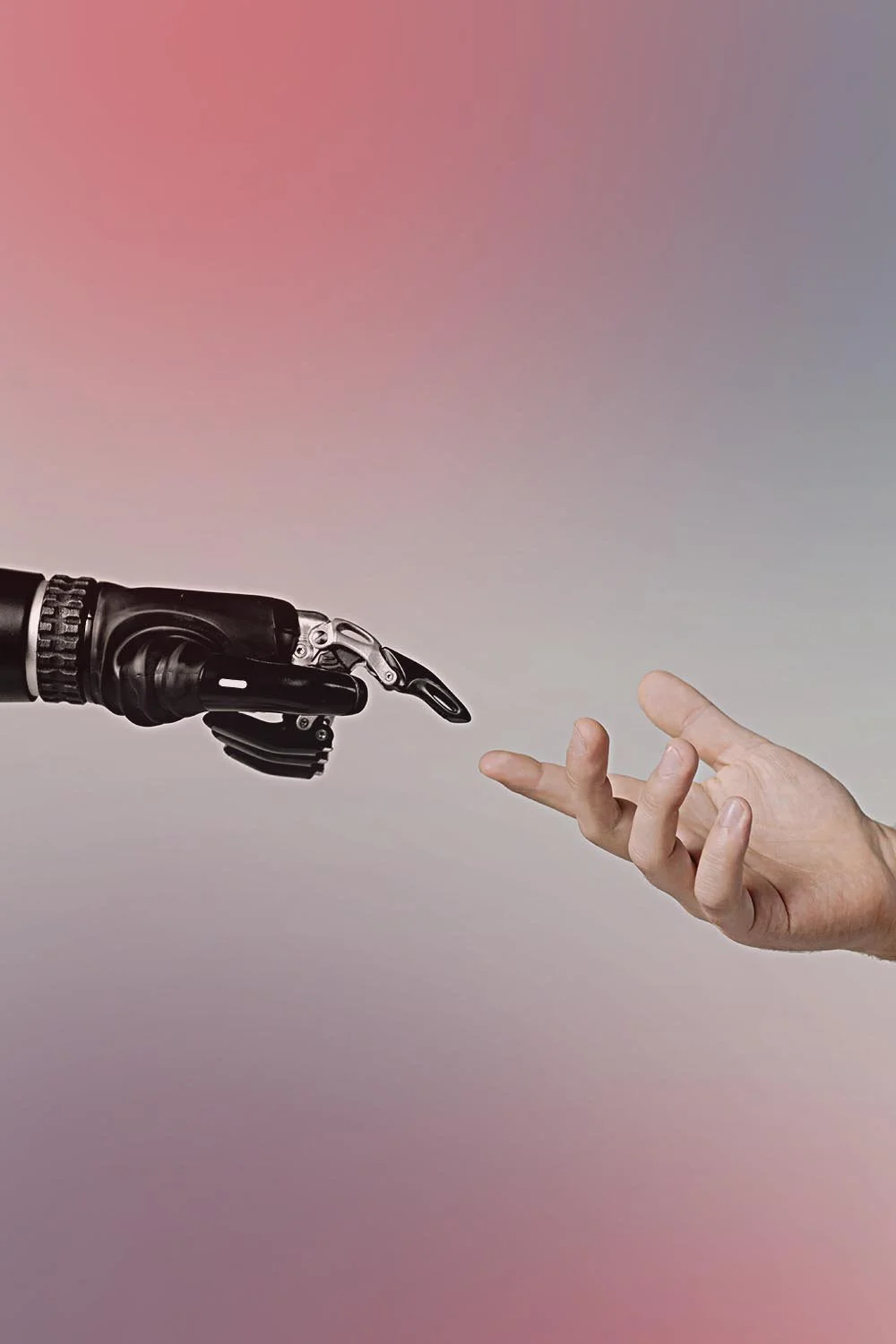
AI: Your Superpower Sidekick
So, what does this mean for your small business? It means AI is changing how you work.
Let AI handle the grunt work (drafting, analyzing, resizing).
Free up your time for strategic thinking, creative brainstorming, and genuine human connections.
Focus on developing the customer experience, consumer trust, and innovation.
The future isn’t AI replacing humans – it’s humans engaged with AI. And that's a future where your business can shine bright.